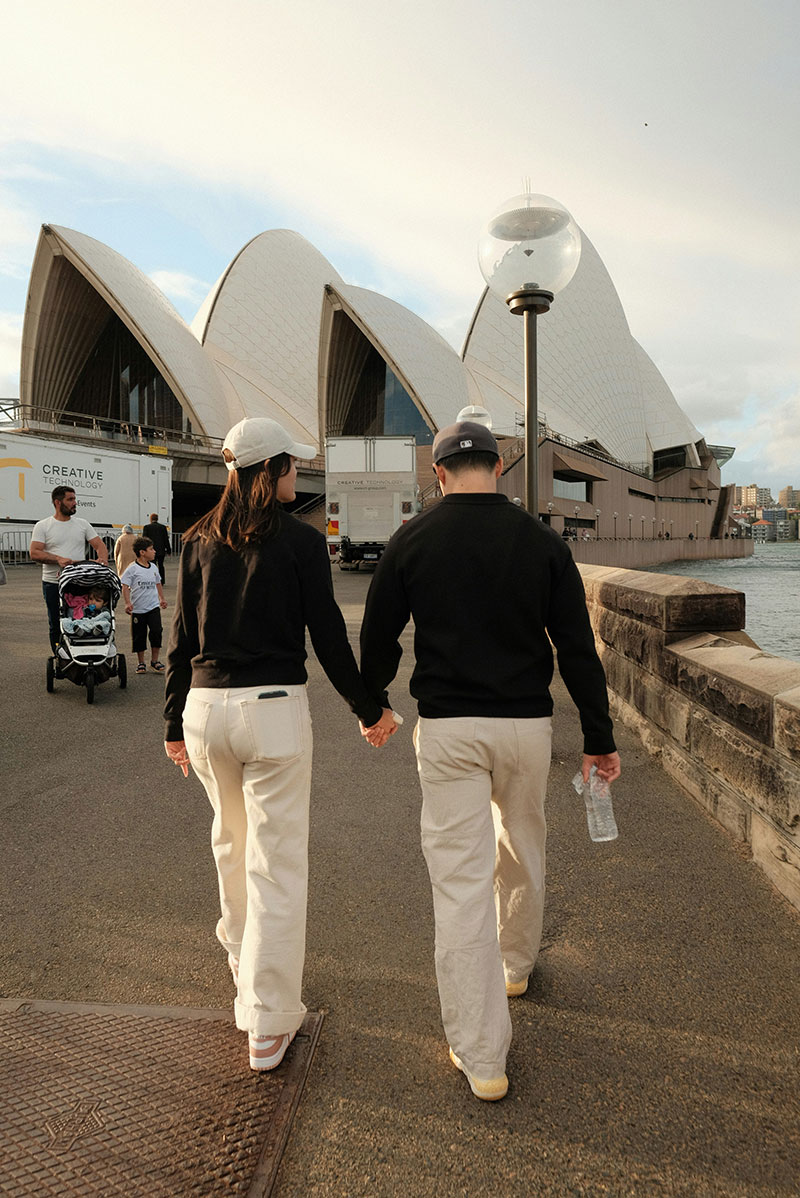
Moving to a new country is an exciting experience, but it can also come with many questions. From understanding visa requirements to finding a home, getting a job and accessing essential services, there are many things to organise before and after arriving in Australia.
For migrants and newcomers, having the right information can make the settlement process easier and less stressful.
This guide covers some of the most important areas to consider when planning your move to Australia.
1. Understand Your Visa Options
Before making plans to move, it is important to understand which Australian visa pathway may be appropriate for your circumstances.
Australia has different visa categories for skilled workers, students, families, visitors, employers and other eligible applicants. Requirements can vary significantly depending on the visa.
Before applying, check:
- The eligibility requirements
- English-language requirements, where applicable
- Skills or qualifications requirements
- Health and character requirements
- Financial requirements
- Application fees
- Processing times
- Conditions attached to the visa
Always use official Australian Government information or seek professional migration advice when you need help understanding your specific situation.
2. Plan Your Finances
Moving to Australia can involve significant upfront expenses.
You may need to budget for:
- Visa and application costs
- Flights
- Temporary accommodation
- Rental bond and advance rent
- Transportation
- Food and household expenses
- Mobile phone and internet
- Health-related expenses
- School or education costs
- Professional registration or qualification assessment
It is a good idea to have enough savings to cover your initial expenses while you look for employment and establish yourself.
3. Finding Accommodation
Finding suitable housing is one of the biggest priorities after arriving in Australia.
Depending on your circumstances, you may initially stay with family or friends, use temporary accommodation, or rent a property.
When looking for a rental property, you may need documents such as:
- Identification
- Proof of income or employment
- Rental history
- References
- Bank statements or evidence of savings
- Visa information
Rental processes and costs can vary between Australian states and territories, so make sure you understand the local rules before signing a lease.
4. Finding Employment
Finding your first job in Australia can take time, particularly if you are unfamiliar with the local employment market.
Start by preparing an Australian-style resume and updating your professional profiles.
You can also:
- Search online job platforms
- Contact recruitment agencies
- Network with professionals in your industry
- Attend career and community events
- Contact employers directly
- Investigate opportunities through migrant and community organisations
Some professions may require Australian registration, licensing, accreditation or recognition of overseas qualifications before you can work in that occupation.
5. Understanding Healthcare in Australia
Australia has a public healthcare system, but eligibility for government healthcare services can depend on your visa and circumstances.
New migrants should learn about the healthcare options available to them, including:
- Medicare eligibility
- Private health insurance
- General practitioners
- Emergency healthcare
- Pharmacies
- Mental health and community services
Understanding how the healthcare system works before you need it can save time and reduce stress.
6. Education for Children and Adults
If you are moving with children, researching schools should be part of your settlement planning.
Australia offers government, Catholic and independent schools, and education requirements can vary depending on the state or territory.
Adults can also explore:
- English-language courses
- Vocational education and training
- University programs
- Professional development
- Skills recognition programs
Improving English communication skills can be particularly helpful for employment, education and everyday life.
7. Getting Around Australia
Australia is a large country, and public transport options differ between cities and regions.
Depending on where you live, you may use:
- Buses
- Trains
- Trams
- Ferries
- Rideshare services
- Private vehicles
If you plan to drive, check the rules for using an overseas driver’s licence and understand the requirements for obtaining an Australian licence in your state or territory.
8. Build Your Local Community
Settling into a new country isn’t only about finding a job and a home. Building relationships and becoming part of the local community can make a major difference.
Consider joining:
- Local community groups
- Cultural organisations
- Sports clubs
- Religious or community centres
- Professional associations
- Migrant support organisations
- Local events and activities
Meeting people with similar experiences can help you learn about your new community and feel more comfortable in Australia.
9. Be Careful With Migration Information Online
Migration information can change, and not everything shared online is accurate.
Be cautious about websites or social media posts promising guaranteed visas, jobs or permanent residency.
Before making important decisions, verify information through reliable sources and, where appropriate, consult a registered migration professional.
10. Give Yourself Time to Settle
The first few months in a new country can involve many challenges. You may need time to understand the systems, find employment, establish your finances and build a social network.
Don’t feel pressured to have everything organised immediately.
Take the process step by step, ask questions, connect with your community and make use of reliable settlement resources.
Final Thoughts
Moving to Australia can open the door to new opportunities, but successful settlement requires preparation.
Understanding your visa pathway, planning your finances, finding suitable accommodation, exploring employment opportunities and connecting with your local community can help make the transition smoother.
At Migration Hub Australia, our goal is to provide useful information, resources, stories and community-focused content to help migrants navigate life in Australia with greater confidence.
Important: Migration rules, visa requirements and government policies can change. Always check current information from official Australian Government sources or obtain professional advice for your individual circumstances.